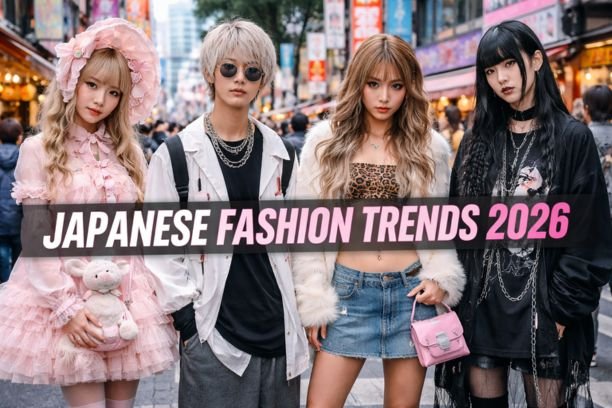
Japanese Fashion Trends 2026: The Ultimate Guide to Street Style, Subcultures & Identity
Japanese fashion has never been just about clothing. In 2026, it stands as a global blueprint for self-expression, cultural storytelling, and creative freedom. While many countries follow runway-driven trends, Japan continues to shape fashion from the streets upward—where youth culture, subcultures, sustainability, and individuality define what people actually wear.
From Harajuku’s playful chaos to Koenji’s underground rebellion, Japanese fashion in 2026 reflects a society that values identity over uniformity. This guide goes beyond surface-level trends to explore what’s truly dominating Japanese style today—and why it matters.
How This Guide Was Created
This article is based on a combination of:
- Street fashion observation across Tokyo districts such as Harajuku, Shimokitazawa, Shibuya, and Koenji
- Japanese brand collections and lookbooks
- Social media trend analysis from Instagram, TikTok Japan, and Lookbook platforms
- Vintage and thrift culture insights
- Cultural shifts among Japanese youth and creatives
Rather than recycling outdated stereotypes, this guide focuses on what people in Japan are actually wearing in 2026.
Key Forces Shaping Japanese Fashion in 2026
Youth-Led Street Culture Over Runways
In Japan, street culture continues to influence fashion more than luxury runways. Trends emerge organically from neighborhoods, second-hand shops, and subcultures before ever reaching mainstream brands.
Gender-Fluid & Size-Fluid Expression
Gender-neutral fashion is no longer a trend—it’s the default. Japanese fashion in 2026 embraces fluid silhouettes, layered fits, and styling freedom without labels.
Sustainability, Vintage & Upcycling
Economic realities and environmental awareness have pushed thrifting, DIY fashion, and garment reuse into the mainstream. Vintage shops are trend incubators.
Digital Influence: Anime, Gaming & Virtual Fashion
Anime aesthetics, cosplay craftsmanship, and gaming visuals influence everyday wear—often subtly through silhouettes, accessories, and color palettes.
Layering as Lifestyle
Japan’s love for layering isn’t just visual—it’s practical, expressive, and tied to climate, urban living, and individuality.
Top Japanese Fashion Trends Dominating 2026
1. Neo-Lolita & Modern Lolita Evolution
Lolita fashion has evolved beyond rigid dress codes. In 2026, Neo-Lolita blends traditional Victorian silhouettes with wearable street elements.
Why it’s trending:
- Younger wearers adapt Lolita for daily life
- Mix of elegance and rebellion
Common styling:
- Lolita dresses with sneakers or chunky boots
- Oversized coats layered over classic pieces
- Sweet, Gothic, and hybrid substyles
2. Tokyo Y2K 2.0
Japan’s take on Y2K fashion feels sharper and more experimental than Western revivals.
Key elements:
- Low-rise layering with oversized tops
- Metallic and tech-inspired fabrics
- Hair clips, mini bags, bold makeup
Why it works in Japan: Y2K aligns perfectly with nostalgia-driven youth culture and playful self-expression.
3. Genderless Kei & Fluid Streetwear
Genderless Kei continues to define modern Japanese fashion.
Defining traits:
- Skirts, wide pants, and soft tailoring
- Neutral or pastel color palettes
- Layer-heavy silhouettes
Unlike Western unisex fashion, Genderless Kei prioritizes aesthetics over practicality.
4. Mori Kei & Nature-Core Fashion
Mori Kei—or “Forest Style”—thrives as a response to fast-paced urban life.
Signature elements:
- Earth tones and natural fabrics
- Flowing layers and handmade accessories
- Vintage-inspired silhouettes
Mori Kei in 2026 feels quieter, slower, and emotionally grounding.
5. New-Generation Gyaru Revival
Gyaru is back—but softer, smarter, and digitally driven.
What’s changed:
- Less extreme tanning
- Focus on confidence and glamour
- Social-media-led substyles
The spirit of rebellion remains, but with modern refinement.
6. A-Line & Structured Minimalism
A-line silhouettes dominate Japanese minimal fashion in 2026.
Why it works:
- Ideal for layering
- Flattering for diverse body types
- Clean yet expressive
Japanese minimalism focuses on shape and texture rather than emptiness.
7. Kawaii Subculture Explosion
Kawaii fashion goes far beyond “cute.”
Popular substyles:
- Decora Kei
- Yumekawa Kei
- Fairy Kei
- Cyber Kawaii
Each substyle represents creativity, emotional expression, and playful rebellion.
8. Wafuku-Inspired Street Fashion
Traditional Japanese clothing heavily influences modern streetwear.
Common adaptations:
- Kimono-style jackets
- Hakama-inspired wide pants
- Obi-inspired belts
This fusion respects tradition while embracing modern styling.
9. Angura Kei & Dark Avant-Garde Streetwear
Angura Kei thrives in underground spaces.
Core themes:
- Political expression
- Emotional intensity
- Dark layering and distressed fabrics
Koenji remains the heart of this movement.
10. Cosplay-Influenced Daily Wear
Cosplay no longer stays at conventions.
Influences include:
- Anime-inspired silhouettes
- Tech materials
- Hyper-detailed accessories
The result is fashion that feels cinematic yet wearable.
What Japanese People Actually Wear Day-to-Day in 2026
Most people blend trends rather than commit fully to one style.
- Students favor oversized layers and thrifted pieces
- Creatives mix vintage, Wafuku, and genderless fashion
- Office workers embrace minimalist layering
Japanese fashion is about personalization, not perfection.
Where to Experience Japanese Fashion Firsthand
- Harajuku: Experimental and colorful
- Shimokitazawa: Vintage and Y2K
- Koenji: Underground and Angura Kei
- Osaka America-Mura: Streetwear and Gyaru
How to Wear Japanese Fashion Outside Japan
- Focus on layering
- Thrift and upcycle
- Adapt silhouettes, not costumes
- Respect cultural origins
Common Myths About Japanese Fashion
- Everyone dresses extreme (false)
- It’s all cosplay (false)
- Only for slim bodies (false)
Japanese fashion celebrates diversity.
FAQs About Japanese Fashion in 2026
What is the most popular Japanese fashion style in 2026?
There is no single dominant style—layered, gender-neutral street fashion leads overall.
Is Harajuku still relevant?
Yes, but it has evolved into multiple micro-scenes.
Is Japanese fashion gender-neutral?
Largely yes, especially among younger generations.
Conclusion: Why Japanese Fashion Leads the World
Japanese fashion in 2026 proves that clothing is more than appearance—it’s identity, culture, and freedom. By prioritizing individuality over conformity, Japan continues to inspire the global fashion landscape.
Whether bold or minimal, cute or dark, traditional or futuristic—Japanese fashion remains endlessly expressive.