Physical Address
304 North Cardinal St.
Dorchester Center, MA 02124
Physical Address
304 North Cardinal St.
Dorchester Center, MA 02124

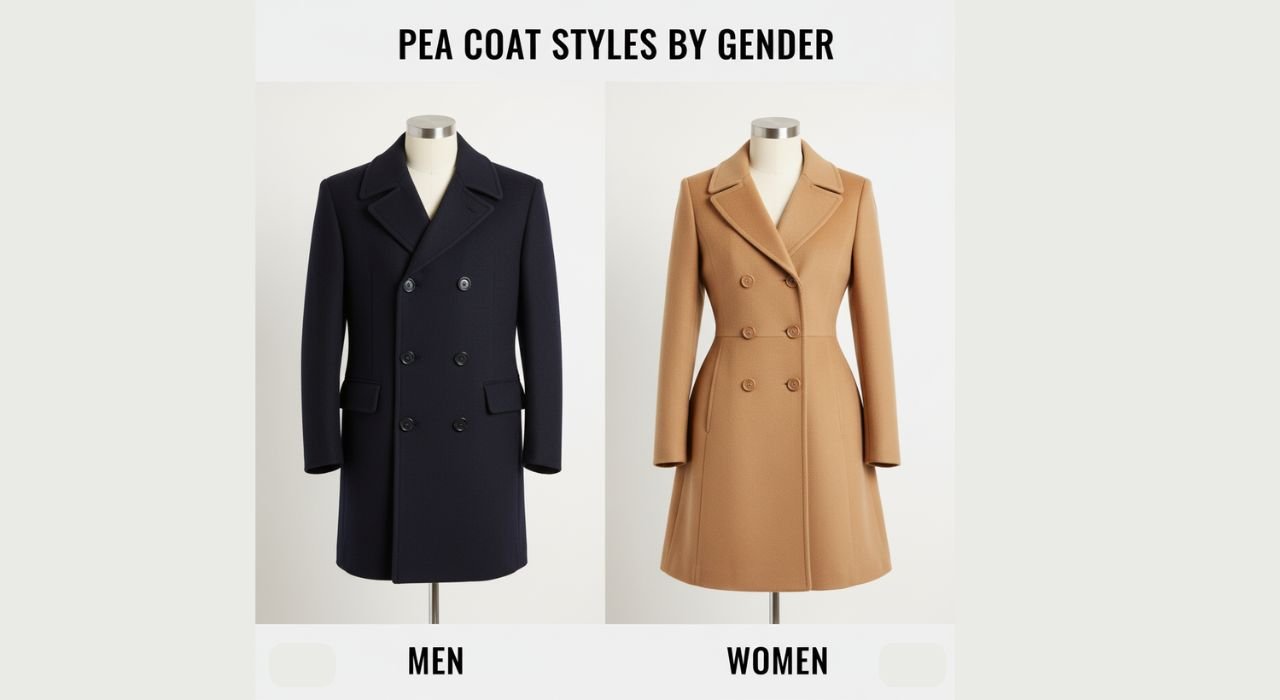
Few garments have stood the test of time like the pea coat. With its double-breasted front, convertible collar, and distinctive naval buttons, the pea coat combines warmth, structure, and sophistication in a single design. Originally crafted for sailors, its broad lapels—also known as a convertible or Ulster collar—can be turned up and latched closed to protect the neck from harsh sea winds.
Whether you’re layering up for a chilly day in the city or seeking a classic winter staple, this coat remains a wardrobe essential for both men and women. But what exactly is a pea coat, where did it come from, and what makes it so iconic? Let’s dive into the story, style, and enduring appeal of this timeless piece.
A pea coat is a short, double-breasted wool coat traditionally featuring large buttons, a notched lapel, and a tailored yet boxy silhouette. The coat’s collar is often convertible, designed to stand up and latch closed for ultimate wind protection—a feature that reflects its naval origins.
Originally designed for sailors, the coat’s thick Melton wool fabric—a tightly woven, dense material—helps block out moisture and sea spray. Over time, designers adapted the look for civilians, blending naval precision with modern style. Today, it’s a staple in both men’s and women’s wardrobes, loved for its structured elegance and versatility.
The origin of the pea coat dates back to the 18th century, rooted in the maritime traditions of Europe. Historians trace it to the Dutch navy, where sailors wore heavy wool coats called “pijjekker” or “pijjakker.” The design’s durability and warmth made it ideal for life at sea.
As the style spread, the British Royal Navy refined it further—adding double rows of anchor-engraved buttons and a deep navy color for uniformity. Later, the U.S. Navy adopted the pea coat in the 19th century, standardizing it as part of its official cold-weather uniform.
The term “pea coat” originates from the Dutch word “pije” (pronounced “pea”), referring to the coarse wool fabric used to make sailors’ outer garments. When this practical design was adopted by English-speaking navies, the term evolved into “pea coat.”
This name is tightly linked to the coat’s material legacy. The original pije referred to a type of coarse, dense fabric—the precursor to the Melton wool that defines the coat today. Over time, both the name and the material came to symbolize maritime endurance and timeless style.
Though the pea coat began as a unisex naval garment, modern fashion has introduced subtle variations in structure, fit, and color between men’s and women’s styles.
Pro Tip: The most important styling rule for any pea coat is the fit across the shoulders. The seams should align perfectly with the edge of your shoulder. If the fit is off, the coat can appear too tight or overly boxy—diminishing its clean, classic shape.
Traditionally, the pea coat came in navy blue—reflecting its naval heritage. Today, designers have expanded the palette to match modern wardrobes and diverse aesthetics.
The quintessential material is Melton wool—a dense, tightly woven fabric famed for its durability, warmth, and resistance to wind and water. Contemporary versions also feature:
Even button detailing varies—from classic anchor motifs to modern matte or metallic finishes—allowing subtle personalization while preserving tradition.
A pea coat elevates nearly any outfit. Its tailored silhouette works for both casual weekends and refined urban looks.
The pea coat stands apart from other classic outerwear styles like trench coats and overcoats.
| Coat Type | Length | Material | Style | Best For |
|---|---|---|---|---|
| Pea Coat | Hip-length | Heavy Melton wool | Structured, double-breasted | Everyday to smart-casual wear |
| Trench Coat | Knee-length | Cotton gabardine | Belted, weather-resistant | Rainy days & business wear |
| Overcoat | Below knee | Wool or cashmere | Sleek, single-breasted | Business attire & Black Tie Events |
This comparison shows why the pea coat remains a favorite for everyday wear—offering warmth without bulk, and structure without stiffness.
A quality pea coat can last for years—even decades—with proper care.
These simple steps help your coat retain its sharp, classic silhouette for the long run.
Despite centuries of history, the pea coat remains effortlessly modern. Designers like Burberry, Saint Laurent, and Ralph Lauren continue to reinterpret it with fresh details—from slimmer fits and cropped silhouettes to updated textures and linings.
Some contemporary versions even forgo the oversized collar or anchor buttons, offering minimalist alternatives while keeping the signature double-breasted design. This blend of heritage and innovation ensures the pea coat’s enduring relevance in today’s fashion landscape.
From naval decks to city streets, the pea coat continues to embody discipline, craftsmanship, and understated sophistication.
Defined by Melton wool, precision tailoring, and timeless design, the pea coat has transcended its naval roots to become one of the most iconic outerwear pieces in history.
Whether you choose a traditional navy version or a modern color twist, a well-fitted pea coat is more than outerwear—it’s a statement of style, history, and confidence.